

If you're shopping for a home in Rockford right now, you're entering a market that's fundamentally different from just a few years ago. Rising insurance costs aren't just making homeownership more expensive: they're actually changing how the entire housing market operates. From deal-killing premium quotes to shrinking buyer pools, insurance has become one of the most critical factors in Rockford real estate.
Here's what every prospective homebuyer needs to understand about this new reality.
1. Insurance Costs Are Now Deal-Breakers in Home Purchases
Gone are the days when homebuyers could treat insurance as an afterthought. Today's insurance market is so volatile that approximately 21% of homebuyers are backing out of deals or watching sales fall through specifically because of insurance costs.
This isn't just about sticker shock: it's about the fundamental math of homeownership. When lenders calculate your mortgage approval, they look at your total PTII payment: Principal, Interest, Taxes, and Insurance. If insurance costs push your PITI above what you can afford, the deal dies.

For example, imagine you're pre-approved for a $300,000 home with a monthly PITI budget of $2,200. If the insurance quote comes back at $400 per month instead of the expected $230, that extra $170 monthly could disqualify you for the loan or force you to consider homes that are $30,000-$40,000 cheaper.
What this means for you: Get insurance quotes before making offers, not after. Contact an insurance agent with the property address as soon as you're
seriously considering a home. This extra step can save you from the heartbreak and wasted time of pursuing a home you ultimately can't afford to insure.
2. Rockford's Insurance Market Reality Check
The numbers tell a stark story about what's happening in our local market. The average homeowners' insurance cost in Rockford is currently $2,765 per year for a standard $300,000 dwelling coverage policy. That breaks down to about $230 per month, but that's just the average.
Nationally, home insurance premiums have skyrocketed 33% between 2020 and 2023, and Rockford hasn't been immune to this trend. Climate change, increased disaster frequency, and supply chain issues affecting repair costs are driving these increases across Illinois.
What makes this particularly challenging for Rockford buyers is that insurance costs can vary dramatically even within our relatively small market. A home in a flood-prone area might carry premiums 40-60% higher than the average, while a newer home with updated electrical and plumbing systems might come in below average.
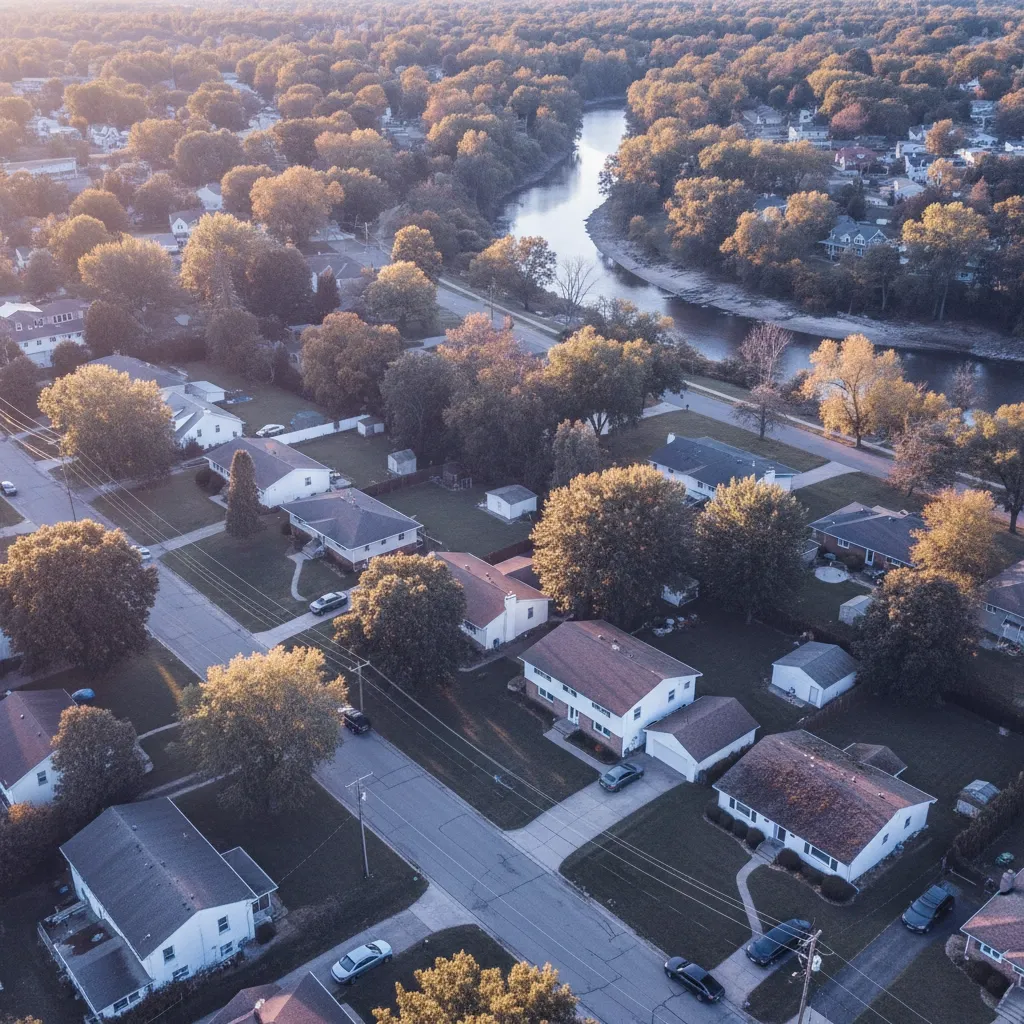
What this means for you: Budget at least $250-300 monthly for insurance when calculating affordability, not the $150-200 that might have been realistic five years ago. Also, factor location-specific risks into your home search. That house near Rock Creek might look perfect, but flood insurance requirements could add hundreds to your monthly costs.
3. The Affordability Math Has Changed
Financial experts have long used the 30% rule as a guideline for housing affordability: you shouldn't spend more than 30% of your gross income on PITI. When you exceed this threshold, you become "house-burdened," with less money available for other necessities, such as food, transportation, and emergencies.
Rising insurance costs are pushing more Rockford homebuyers over this 30% threshold, even when they stay within their target home price range. Consider a household earning $70,000 annually. Their 30% threshold is $1,750 monthly for PITI. With current mortgage rates and property taxes, they might budget $200 for insurance. But if insurance actually costs $350, they're suddenly spending 32.5% of their income on housing: crossing into house-burdened territory.
This math problem is forcing buyers to make tough choices, buy house than they wanted, stretch their budget beyond recommended guidelines, or delay homeownership entirely.
What this means for you: Recalculate your housing budget with realistic insurance estimates. If insurance costs are pushing you over 30% of income, consider it a red flag. You might need to adjust your target home price, increase your down payment to lower your mortgage payment, or wait to buy until your income increases.
4. Home Values Are Dropping as Insurance Rises
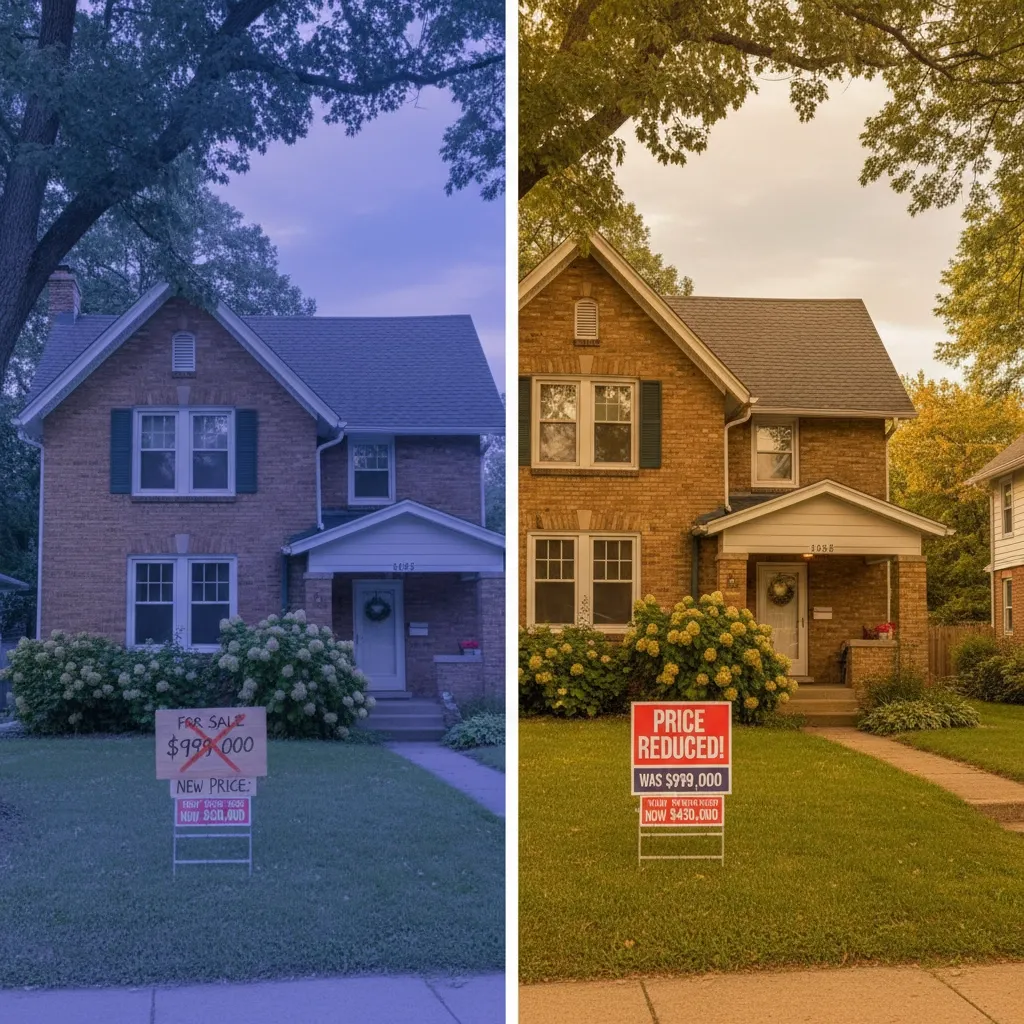
Here's a counterintuitive reality: as insurance costs rise, home values actually decrease. Economic research shows that for every 10% increase in homeowners insurance costs, home prices decline by 4.6%. This inverse relationship is playing out in real time across various markets, and Rockford is no exception.
The logic is straightforward: if insurance costs more, buyers can afford to pay less for the home itself while staying within their total monthly budget. Sellers are beginning to recognize this reality and adjusting their pricing expectations accordingly.

For instance, if a home was worth $250,000 when insurance cost $2,200 annually, and insurance now costs $2,750 annually (a 25% increase), the economic pressure suggests that home's value should decrease by approximately 11.5%, or around $29,000.
What this means for you: As a buyer, rising insurance costs might actually work in your favor for home prices, even though your total monthly costs remain high. As a seller looking to upgrade, you're facing the double impact of higher insurance on your next home plus potentially lower sale proceeds from your current home.
5. Finding Coverage Is Getting Harder
Beyond just cost increases, some buyers are challenging. Certain areas are developing into "insurance deserts": regions where insurance companies refuse to write new policies or are pulling out of markets entirely.
While Rockford hasn't been classified as a full insurance desert, we're seeing early warning signs. Some insurers have become increasingly selective about which homes they'll cover, particularly older homes or properties in areas with higher claim frequencies.
Additionally, the trend toward higher deductibles and more coverage exclusions means that even when you can find insurance, it might not provide the comprehensive protection you expect. Some buyers are discovering that the available insurance policies have such high deductibles or significant coverage gaps that they're essentially self-insuring for many types of damage.
What this means for you: Start shopping for insurance early in your home search process, and don't assume coverage will be available just because you can afford the premium. Have backup insurance options researched before you need them. Also, consider how insurance limitations might affect your actual financial protection: a policy with a $5,000 deductible provides very different value than one with a $1,000 deductible.
Navigating Rockford's New Insurance Reality
The intersection of rising insurance costs and the housing market isn't temporary: it represents a fundamental shift in how homeownership works in Rockford. Successful homebuyers in today's market treat insurance as a primary consideration, not an afterthought.
Before you start seriously house hunting, establish relationships with multiple insurance agents, understand the specific risk factors that affect your target neighborhoods, and build realistic insurance costs into your budget from day one.
The buyers who thrive in this environment are those who adapt their strategies to account for insurance realities, rather than hoping the old rules still apply. Insurance isn't just another closing cost anymore: it's one of the primary factors determining what you can afford and where you can buy.
Remember, a knowledgeable insurance agent can help you understand these market dynamics and find coverage that protects both your investment and your budget. The key is getting them involved early in your home search process, not waiting until you're already under contract.