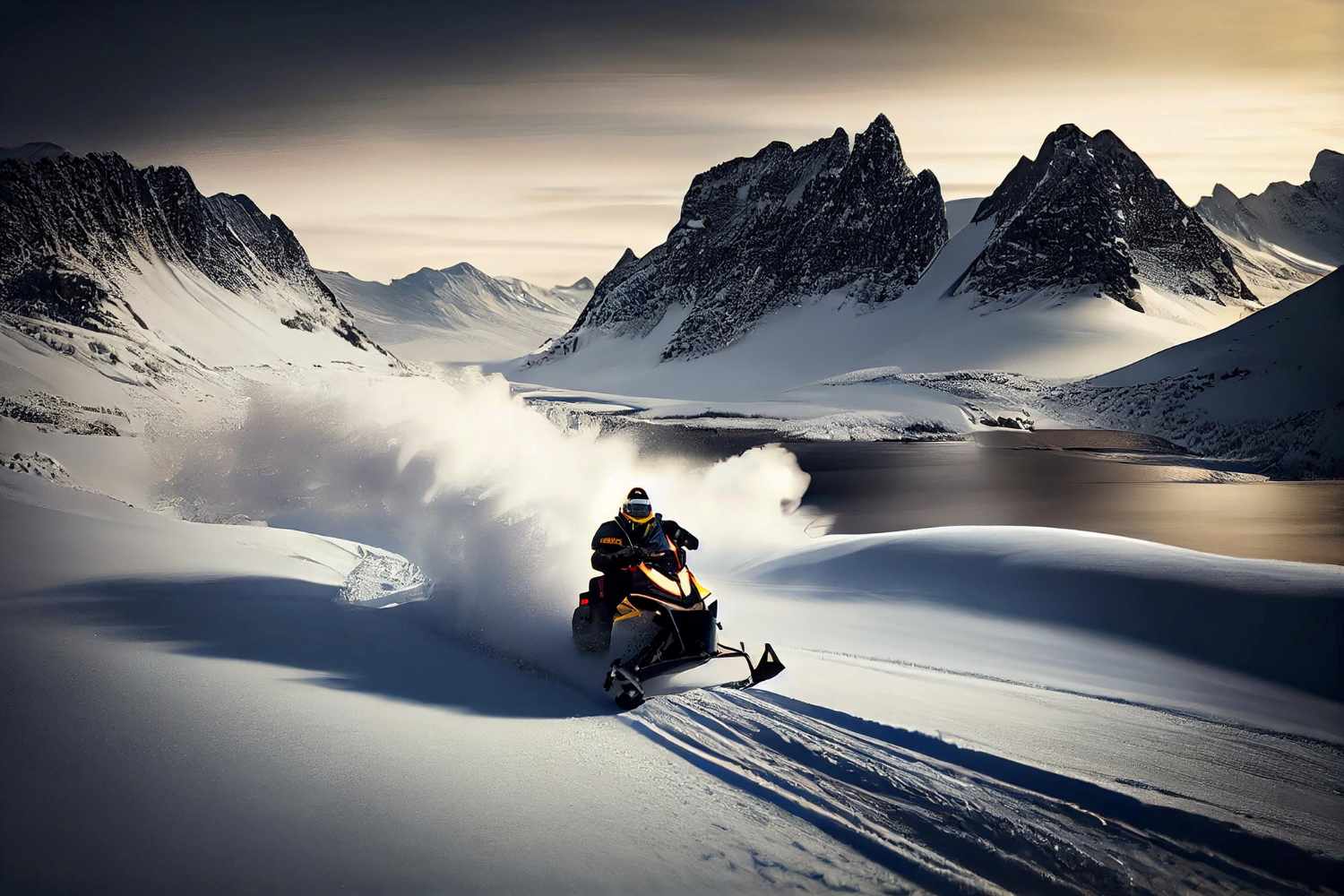
Snowmobiling offers an exciting way to explore snowy trails, enjoy winter landscapes and spend time outdoors. Whether you ride occasionally or make snowmobiling a regular winter activity, protecting your vehicle is an important part of responsible ownership. Accidents, theft, unexpected weather damage and injuries can create significant expenses if you do not have suitable insurance. Before heading out for your next winter adventure, review these five important snowmobile insurance details to understand your coverage and avoid unpleasant surprises.
Liability coverage is an important part of snowmobile insurance because it can help protect you financially if you cause an accident that injures someone or damages their property. For example, accidentally colliding with another rider or damaging private property could result in medical expenses or repair costs. Review your policy's bodily injury and property damage liability limits to understand how much protection you have. Consider whether your current limits are suitable for your riding activities and financial responsibilities.
Your snowmobile can face several risks while riding or sitting in storage. Collision coverage generally helps pay for damage to your snowmobile following a collision with another vehicle or object, regardless of fault, subject to your deductible and policy terms. Comprehensive coverage may protect against covered events such as theft, fire, vandalism and certain weather-related damage. Reviewing both coverages can help you understand how your snowmobile is protected throughout the riding season.
Snowmobile accidents can result in injuries that require medical attention, rehabilitation or other healthcare services. Medical payments coverage may help pay eligible medical expenses for you and your passengers following a covered accident, regardless of who caused it. Check the benefit limits and understand which expenses qualify under your policy. If you frequently ride with family members or friends, reviewing this coverage becomes particularly important.
Snowmobile insurance needs attention even when winter comes to an end. Your policy may include specific conditions related to seasonal storage, permitted riding areas, operator eligibility and vehicle usage. Review whether coverage continues during the off-season and understand any restrictions involving private property, public trails or competitive events. If you transport your snowmobile to different locations or participate in organized riding activities, confirm that your policy accommodates those uses.
A great snowmobiling experience starts with proper preparation, and understanding your insurance coverage is an important part of it. Reviewing liability limits, physical damage protection, medical payments and accessory coverage can help you identify potential gaps before the riding season begins. Speak with your insurance provider about your riding habits and make sure your policy reflects your snowmobile and its intended use.